

If you have ever wondered why your to‑do list keeps growing even though you never agreed to half the things on it, you are not alone. Many professionals find themselves saying yes automatically, even when they are overwhelmed, exhausted, or quietly frustrated. The habit feels harmless in the moment, but it slowly reshapes your workday, your energy, and your sense of control. Understanding why you default to yes is the first step toward changing the pattern, and the reasons run deeper than simple politeness.
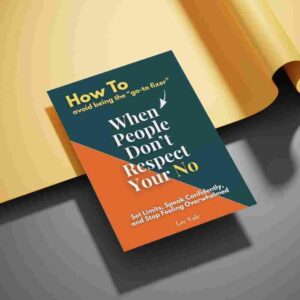
One of the biggest drivers is people‑pleasing. When your sense of worth is tied to being helpful, every request feels like a test of your value. You want to be seen as supportive, capable, and easy to work with, so you agree before you even consider the cost. The text explains that people‑pleasing creates a “quick reflex to say ‘sure’” because your nervous system rewards the relief of keeping someone happy. That relief is powerful. It makes you feel safe, appreciated, and included. But over time, it trains colleagues to expect your availability and turns you into the default problem solver, even when the problem is not yours to fix.
Perfectionism adds another layer of pressure. If you believe that your involvement guarantees the best outcome, saying no feels irresponsible. You may catch yourself thinking that if you do not take the task, it will not be done correctly. That belief pushes you to volunteer for extra work, not because you have the capacity, but because you fear the consequences of letting someone else handle it. The text captures this mindset clearly: “Perfectionism turns small requests into moral tests.” The result is predictable. You take on more than you can manage, your attention becomes scattered, and the quality of your core work begins to slip. Perfectionism convinces you that doing more proves your value, but in reality it often dilutes it.
Fear of disappointing others also plays a major role. Humans are wired to avoid social rejection, and at work that instinct becomes amplified. You imagine that a single refusal will damage your reputation, strain a relationship, or make you look uncommitted. Your mind jumps to worst‑case scenarios even when the real risk is small. Most of the time, colleagues simply adjust and move on, but the fear feels real enough to override your boundaries. This fear is especially strong with authority figures. Saying no to a manager or client can feel like stepping into dangerous territory, even when you are simply communicating your capacity honestly.
Another subtle force behind automatic yeses is conflict avoidance. Many people would rather absorb extra work than face a moment of tension. You tell yourself it is easier to do the task than to explain why you cannot. You smooth things over, keep the peace, and avoid the discomfort of pushing back. But the peace you are protecting is temporary. The long‑term cost shows up in resentment, stress, and a growing sense that your time is not your own. Avoiding conflict may feel like the safer choice, but it often creates bigger problems later.
Workplace culture reinforces these habits. If your team normalizes overcommitment, you feel pressure to match the behavior. When everyone else is staying late, answering messages instantly, or taking on extra tasks without question, you start to believe that saying yes is the only acceptable option. These unspoken rules shape your decisions more than you realize. They make boundaries feel disruptive and overwork feel expected. You adapt to fit in, even when the pace is unsustainable.
The emotional payoff of saying yes is another trap. Agreeing gives you a quick burst of relief. You avoid awkwardness, earn appreciation, and sidestep potential conflict. But that short‑term comfort comes with long‑term consequences. You end the day drained, behind on your priorities, and frustrated with yourself for not speaking up. The text describes this pattern as “short-term relief, long-term cost,” and once you see it clearly, it becomes impossible to ignore. The temporary ease of saying yes is rarely worth the ongoing stress it creates.

Breaking the habit starts with awareness. Notice the moment before you respond. Pay attention to the urge to agree quickly. Ask yourself what emotion is driving the yes. Is it guilt, fear, pressure, or the desire to be liked. That pause interrupts the automatic pattern and gives you space to choose intentionally. You do not need to deliver a perfect refusal. You simply need to slow down long enough to consider your capacity and your priorities.
You can also practice small, low‑stakes refusals to build confidence. Start with tasks that are easy to decline and observe what happens. Most of the time, nothing dramatic occurs. You still belong. You are still respected. You are still valued. That experience rewires your assumptions and makes it easier to set boundaries in higher‑pressure situations. Over time, you learn that saying no does not threaten your relationships. It strengthens them by making your commitments clearer and your communication more honest.
The truth is simple. You keep saying yes because it feels safer than the alternative. But safety built on self‑sacrifice is not sustainable. When you understand the emotional patterns behind your automatic yes, you gain the power to change them. You begin to protect your time, your energy, and your focus. And you start showing up as someone who contributes with intention rather than obligation. That shift is not just healthier. It is the foundation of long‑term professional success.
Related Articles:
The Hidden Damage of Never Setting Limits at Work
When Office Gossip Turns Toxic: The Emotional Toll of the Workplace Whisperer
What to Do When a Co-Worker Takes Credit for Your Idea