
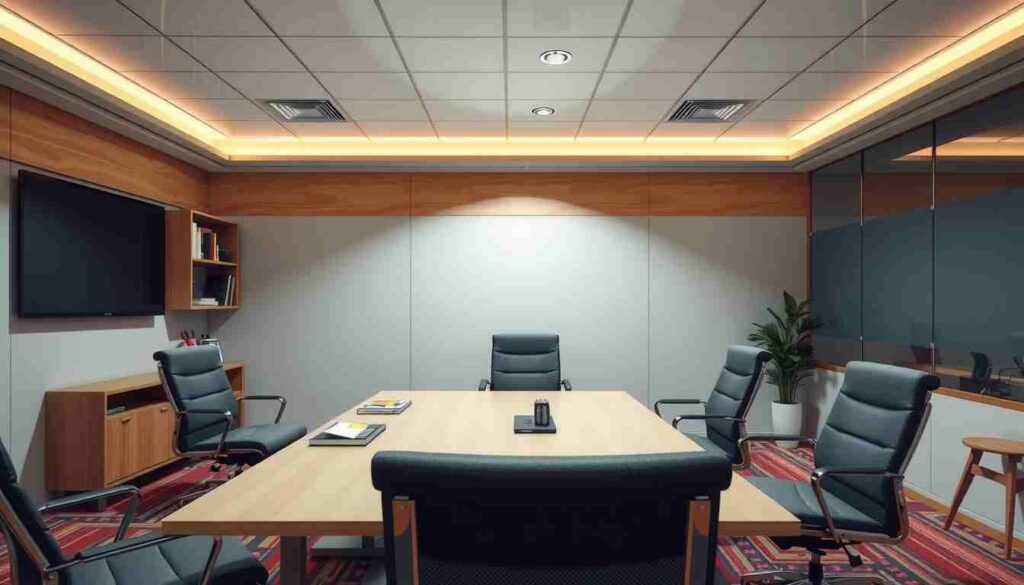
Meetings should move work forward, yet many gatherings do the opposite. When a discussion lacks purpose, structure, or clear outcomes, it becomes a costly interruption that drains productivity and momentum. Teams lose valuable time, attention, and energy every time they sit through a session that could have been an email or a quick update. Although these gatherings may seem harmless, the hidden consequences ripple through an organization in ways leaders often overlook. The true cost goes far beyond the hour blocked on the calendar. It includes the hours of disrupted focus, delayed progress, and emotional fatigue that follow long after everyone leaves the room.
Unproductive meetings interrupt deep work, which is the mental state where people produce their best ideas and highest‑quality output. Once that focus breaks, the brain needs time to recover, and that recovery period often lasts longer than the meeting itself. Employees return to their tasks feeling scattered, behind schedule, and mentally drained. As this cycle repeats, frustration grows. People begin to associate collaboration with wasted time rather than meaningful progress. That shift affects how they show up for future discussions and how willing they are to contribute. Over time, the workplace becomes less innovative because people no longer feel energized by teamwork.
The financial impact is equally significant. Every person in the room represents a portion of the company’s payroll. When ten employees spend an hour in a discussion that produces no actionable results, the organization loses ten hours of paid work. Multiply that by weekly or daily gatherings, and the cost becomes staggering. Many companies underestimate this loss because it is spread across small moments. However, those moments add up quickly, especially in fast‑moving environments where time is a critical resource. When leaders schedule discussions without intention, they unintentionally drain the organization’s budget and slow its growth.
Beyond financial loss, ineffective meetings create emotional strain. People feel frustrated when their time is wasted, and that frustration builds over weeks and months. Employees begin to disengage, participate less, and mentally check out before the meeting even begins. This disengagement affects team dynamics because people stop believing that their input matters. When discussions feel performative rather than productive, trust erodes. Teams lose the sense of shared purpose that makes collaboration meaningful. Over time, this emotional wear and tear becomes a major contributor to burnout.
Another hidden cost is decision paralysis. Meetings that lack clarity often end without conclusions, leaving teams confused about next steps. Instead of moving forward, people wait for more direction or schedule yet another discussion to revisit the same topic. This cycle slows execution and creates bottlenecks that affect entire projects. When decisions stall, opportunities slip away. Competitors move faster. Customers wait longer. The organization loses momentum because time that should be spent building solutions is spent talking in circles.
Creativity also suffers when calendars are packed with unnecessary gatherings. Innovation thrives in environments where people have uninterrupted time to think, explore, and experiment. When schedules fill with back‑to‑back discussions, creative energy gets squeezed into tiny pockets of time. People feel rushed, and rushed thinking rarely leads to breakthroughs. A cluttered meeting schedule signals that busywork is valued more than meaningful contribution. As a result, employees stop bringing bold ideas to the table because they no longer have the mental space to develop them.
The impact on workplace culture is equally important. When leaders call meetings without purpose, they send a message about priorities. They show that time is not respected and that structure is optional. This creates a culture where inefficiency becomes normal. People begin to mimic the behavior by scheduling their own unnecessary gatherings, creating a cycle of wasted time that spreads across the organization. A culture built on reactive communication rather than intentional collaboration becomes slow, unfocused, and resistant to change.
However, the cost is not only organizational. It is personal. Ineffective meetings steal time from meaningful work, which leads to a sense of unfulfillment. When people spend their days in discussions instead of producing results, they feel disconnected from their accomplishments. This disconnect affects confidence and motivation. Employees begin to question their impact and wonder whether their work truly matters. Over time, this erodes job satisfaction and increases turnover. People do not leave companies because of one bad meeting. They leave because of years of wasted time that made them feel undervalued.
The solution begins with intention. Every meeting should have a clear purpose, a defined outcome, and the right people in the room. Leaders should ask whether the goal could be achieved through a message, a shared document, or a quick one‑on‑one conversation. When discussions are necessary, they should be structured with agendas, time limits, and actionable conclusions. This approach respects everyone’s time and reinforces a culture of efficiency. It also restores trust because people see that their contributions matter and that their time is valued.
Reducing unnecessary meetings also increases productivity. When employees have more uninterrupted time, they produce higher‑quality work in less time. They feel more in control of their schedules and more connected to their goals. This sense of autonomy boosts morale and encourages deeper engagement. Teams become more agile because decisions happen faster and communication becomes clearer. The organization benefits from improved performance, stronger culture, and better results.
The real cost of an ineffective meeting is not the hour on the calendar. It is the lost focus, delayed progress, emotional fatigue, and cultural damage that follow. When companies treat time as a valuable resource, they unlock higher performance and stronger collaboration. The shift begins with one simple question: Does this meeting need to happen. Asking that question consistently transforms the workplace from a cycle of interruptions into a space where people can think, create, and contribute at their highest level.