

There is a moment every professional recognizes. Someone asks you to take on one more task, one more favor, one more responsibility you did not plan for, and before you even think about it, you hear yourself say yes. It feels easier in the moment. It avoids awkwardness, keeps the peace, and protects your image as someone who is dependable. But that automatic yes has a cost, and the real damage rarely shows up right away. It builds quietly, shaping your stress levels, your performance, your relationships, and your long‑term career trajectory in ways you do not see until you are already overwhelmed.
The most immediate consequence of constant yes is the erosion of your focus. Every new commitment fragments your attention and forces you to juggle competing priorities. You lose the ability to do deep, meaningful work because your day becomes a series of interruptions and obligations. The text captures this perfectly when it explains that “deadlines compress and your recovery time shrinks,” creating a cycle where you are always catching up but never fully in control. When your attention is scattered, even simple tasks feel heavier, and the work that truly matters gets pushed aside for whatever is loudest or most urgent.
Over time, this pattern leads to exhaustion. Not the kind that disappears after a good night’s sleep, but the slow, grinding fatigue that comes from operating beyond your limits for too long. You start noticing that your creativity is fading, your patience is thinning, and your ability to think clearly is slipping. Burnout does not arrive dramatically. It creeps in through small signs: irritability, foggy thinking, and a shrinking tolerance for routine tasks. These symptoms are not personal failures. They are the predictable outcome of a workload that keeps expanding because your boundaries never do.
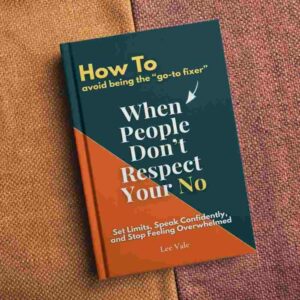
The emotional toll is just as significant. When you keep saying yes at the expense of your own needs, resentment begins to build. You feel frustrated with colleagues who assume you will always help, irritated at managers who keep adding to your plate, and disappointed in yourself for not speaking up. That resentment does not stay hidden. It affects your tone, your engagement, and your willingness to collaborate. You become quieter in meetings, less enthusiastic about new projects, and more withdrawn from your team. The text describes this shift clearly: “When you consistently put other people’s requests ahead of your priorities, a quiet pile-up of resentment forms.” That emotional weight changes how you show up long before anyone realizes what caused it.
Ironically, the habit of saying yes to protect your reputation often harms it. When you take on too much, deadlines slip, details get missed, and the quality of your work declines. People begin to see you as overwhelmed or inconsistent, even though the real issue is that you have been carrying more than anyone should. Reliability is not measured by how much you agree to. It is measured by how consistently you deliver. Doing fewer things well builds a stronger professional reputation than doing everything poorly. Protecting your workload is not selfish. It is strategic. It ensures that when you commit to something, you can follow through with clarity and excellence.
The long‑term impact of constant yes is even more subtle. Every time you agree to something that does not align with your goals, you trade away time that could have been spent on work that advances your career. You lose opportunities for growth, visibility, and leadership because your schedule is filled with tasks that keep you busy but not better. You become known as the person who helps rather than the person who leads. That shift happens quietly, but it shapes your trajectory in powerful ways.
The good news is that this pattern can be changed, and it does not require dramatic confrontation. It begins with awareness. Notice the moment before you respond. Pay attention to the urge to agree quickly. Ask yourself what the yes will cost you. That pause interrupts the automatic pattern and gives you space to choose intentionally. You can still be supportive without sacrificing your priorities. You can still be a team player without becoming the team’s safety net. You can still be kind without being overloaded.
Setting limits is not about shutting people out. It is about protecting the time, energy, and attention you need to do your best work. It is about choosing long‑term effectiveness over short‑term comfort. It is about recognizing that your value does not come from how much you absorb, but from how well you contribute. When you learn to say no with clarity and confidence, you do not lose opportunities. You create space for the ones that matter. You stop living in reaction mode and start shaping your workday with intention. And that shift is not just empowering. It is transformative.
Related Articles:
Standing Your Ground: How to Handle a Co Worker Who Insists You’re Always Wrong
Why You Keep Saying Yes Even When You Don’t Want To
How to Protect Your Peace When Saying No Feels Impossible at Work